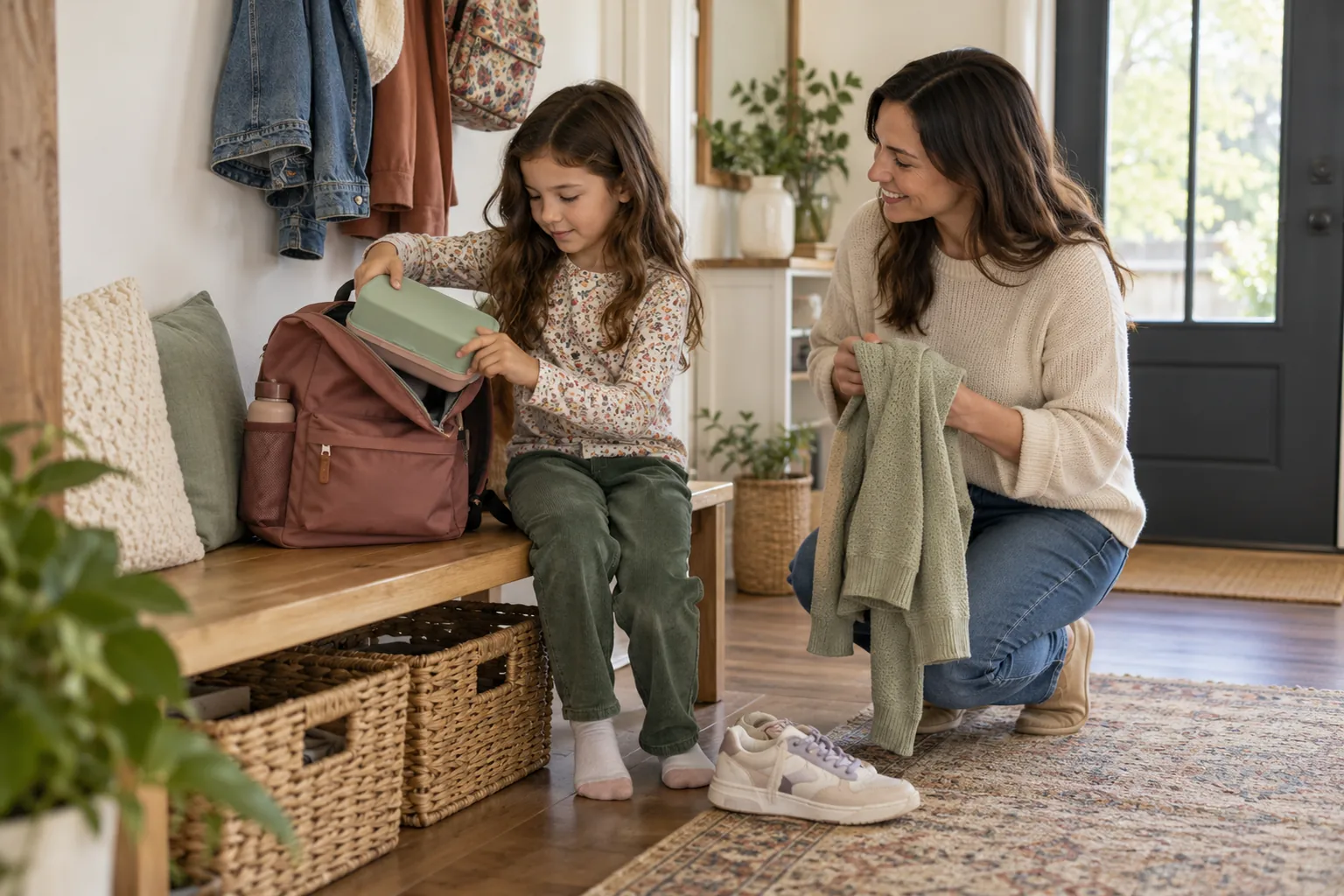
A School Morning Routine for Kids: Work Backward from Leaving Time
Work backward from the time you need to leave, move one decision to the evening and keep help available for the difficult step.
By MUSKOct 19, 20265 min

Confident, curious learners.
Learning starts long before the first day of school and stretches far beyond the classroom. Here we cover the things parents ask about most: is my child ready for kindergarten, how do I raise a reader, how do I help a child who can't seem to focus. The goal is never to push or pressure, but to build the curiosity and confidence that make learning feel good.
4 articles in this topic
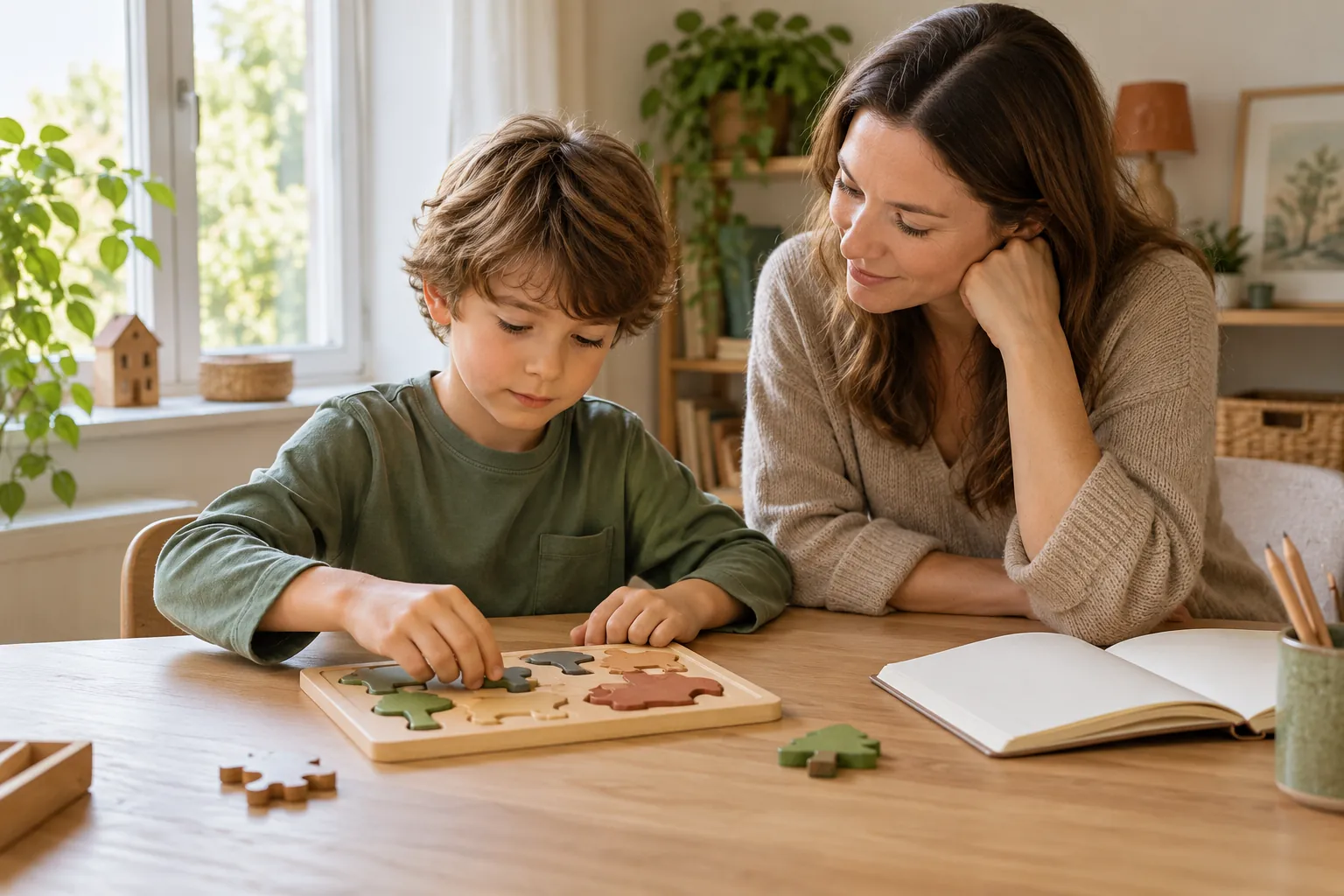
School preparation includes communication, play, everyday independence, and access to appropriate support. Choose a guide for the task in front of you, rather than treating development as a race to a score.
Work backward from leaving time and identify the help needed for each step.
Use the readiness guide to plan a conversation with the teacher, including strengths and accommodations.
Choose shared-reading ideas for toddlers, preschoolers, and beginning readers.
Check the instructions, environment, and task demands before judging attention.
For a school visit, take the free starting-school planner. It records support needs and questions; it is not a developmental test or a school-entry requirement. Free family planners · Sources and limitations
Work backward from the time you need to leave, move one decision to the evening and keep help available for the difficult step.
Before worrying about focus, it helps to know what's normal for the age. Then a few simple levers — sleep, movement, and fewer distractions — do most of the work.
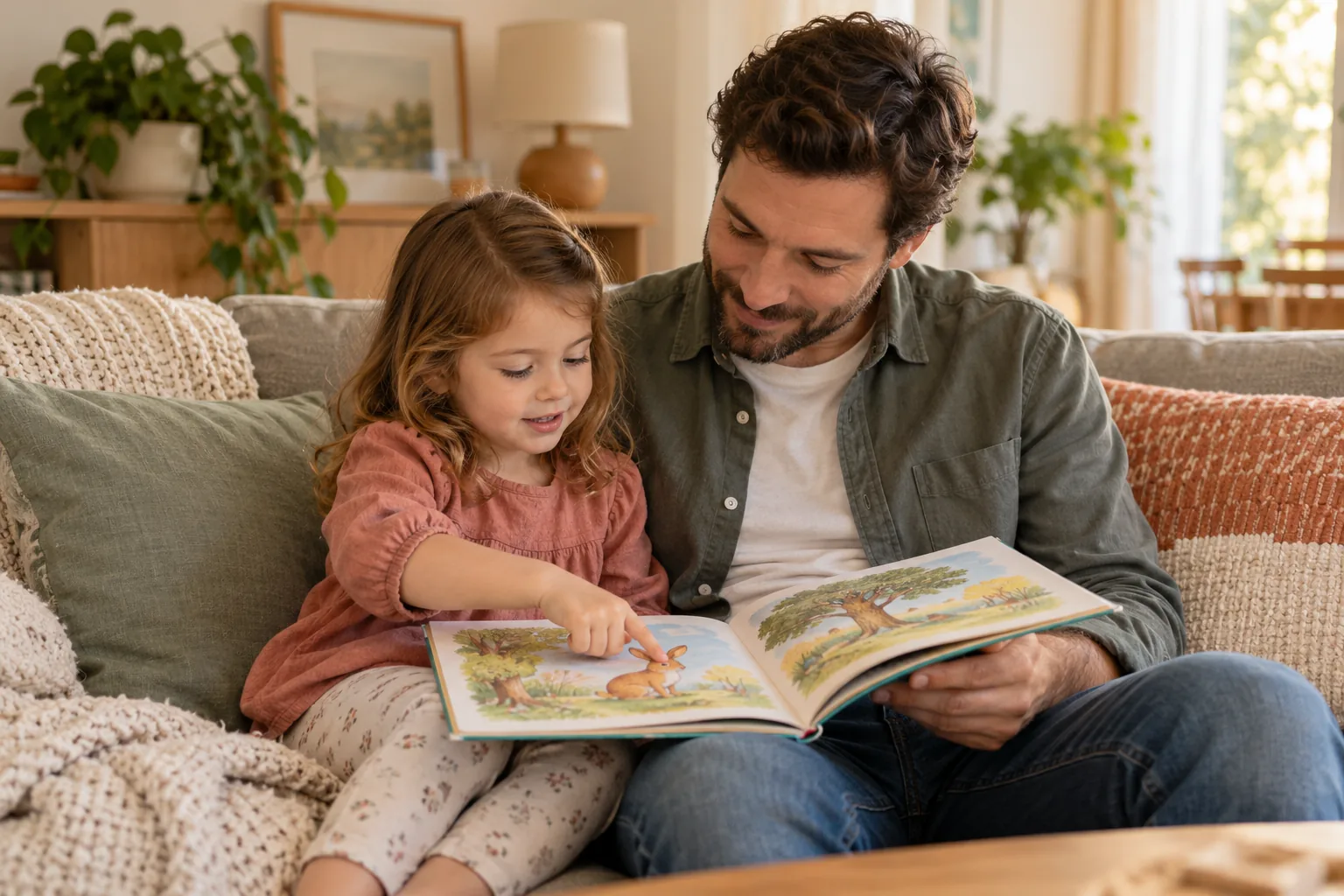
A child who loves reading was rarely forced into it. Here's how to build a reader through joy, choice, and a few small daily habits — even with a reluctant one.
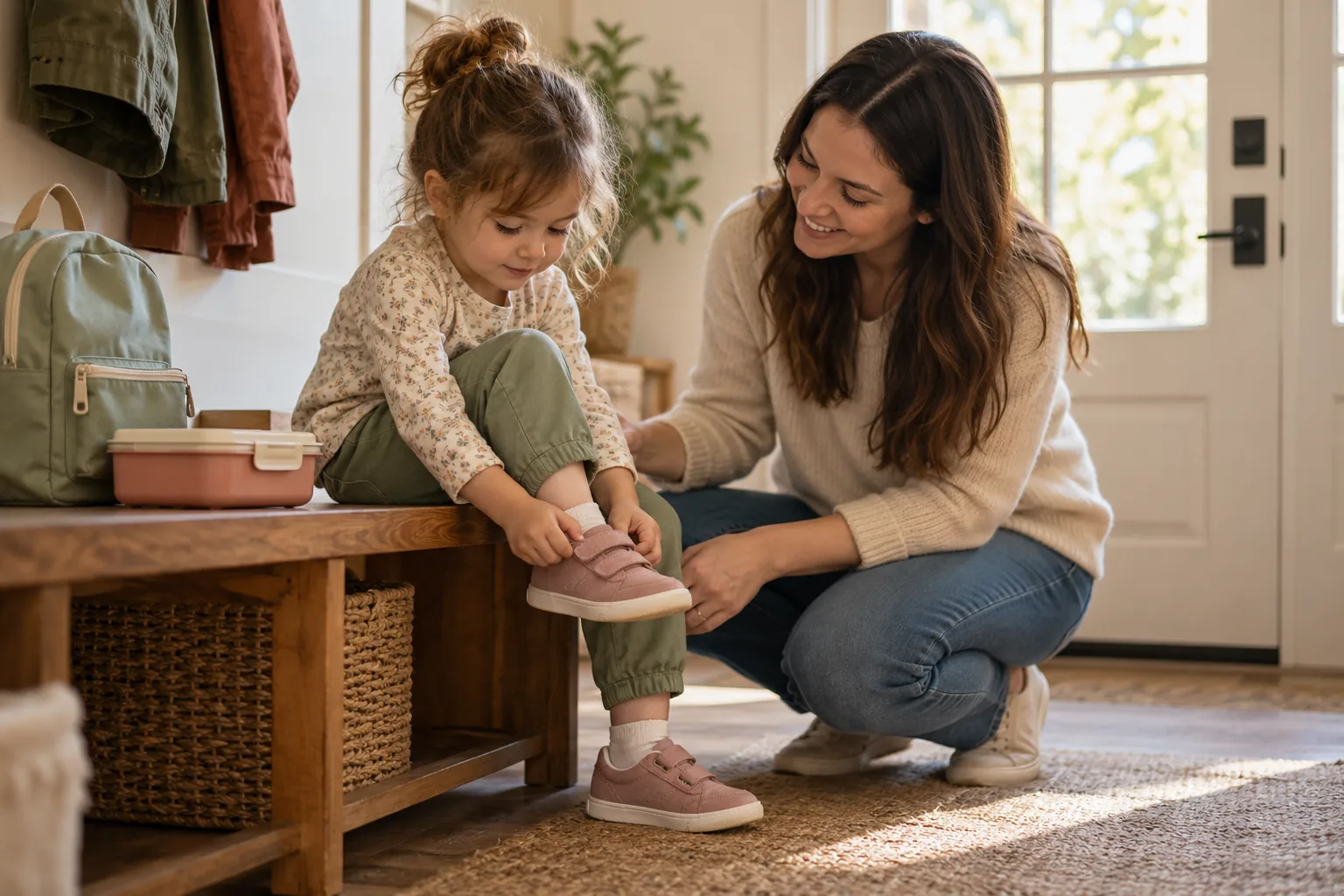
Readiness isn't about reading early or counting to 100. This checklist covers the social and self-help skills that matter most — and how to build them gently.