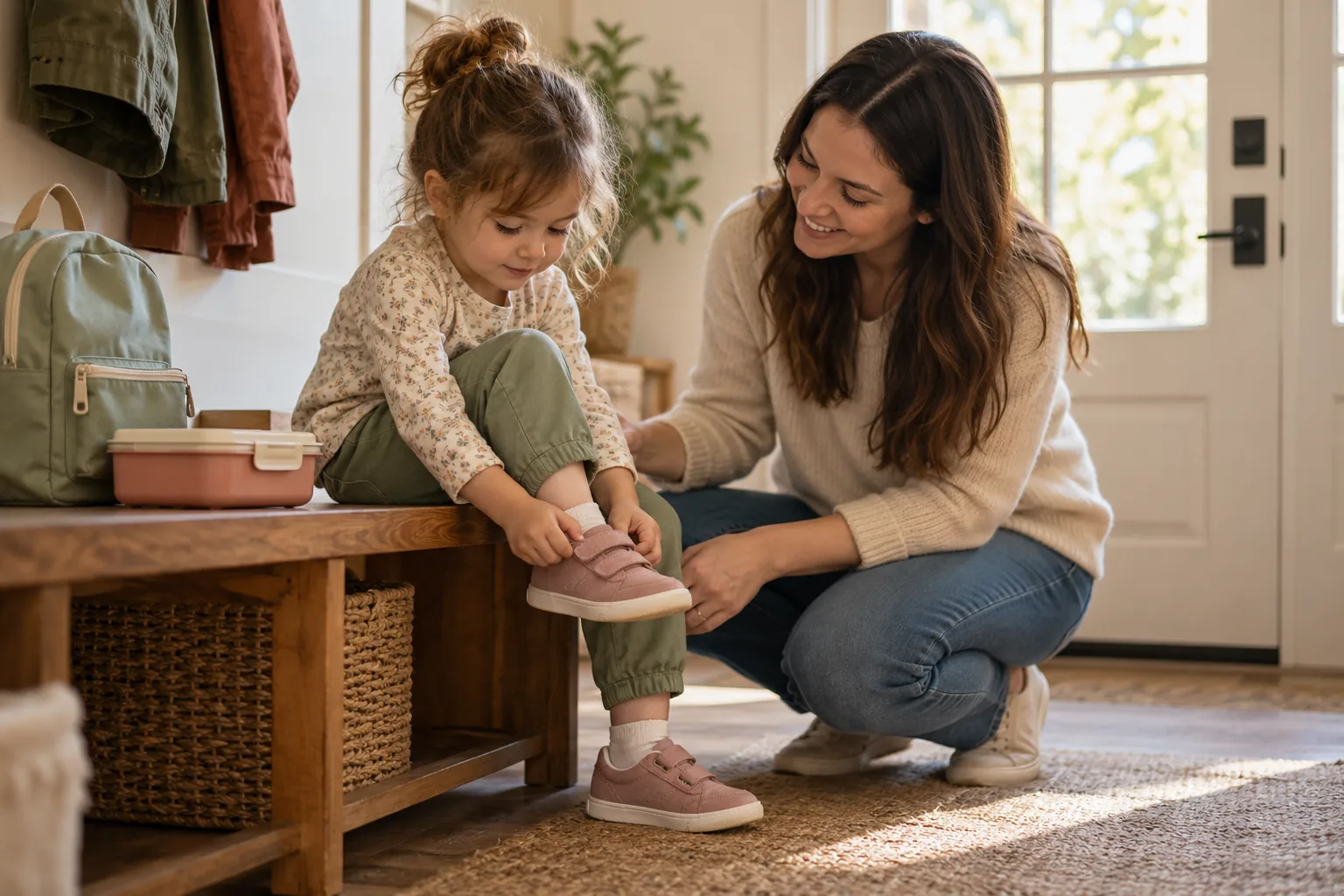
Separation Anxiety in Toddlers: A Gentle Guide
Separation distress is common in early childhood, and its timing varies. Plan a predictable goodbye, agree on caregiver support and notice when more help is needed.
By JULIApr 2, 20265 min

Calm responses to tough moments.
Every parent meets the meltdown in the cereal aisle, the toy thrown across the room, the 'no' that turns into a standoff. This section is about responding to those moments with less yelling and more confidence. You will find calm, age-aware strategies grounded in positive parenting — not punishment for its own sake, and not permissiveness either, but the steady middle that actually changes behavior over time.
4 articles in this topic
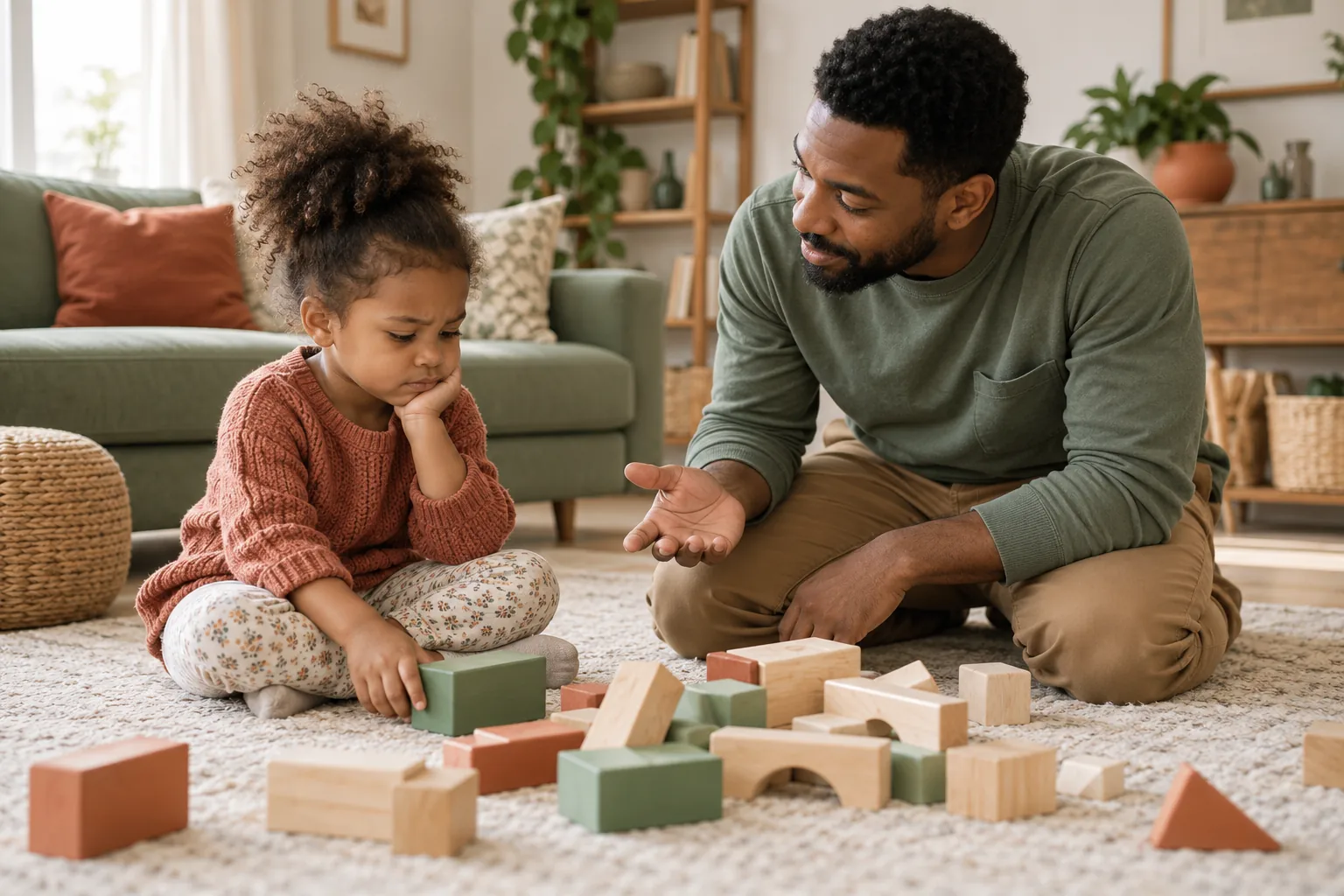
Start with the moment that is hardest: an immediate meltdown, a repeated rule, conflict between siblings, or a difficult goodbye. The guides below address different situations so you can choose one useful next action.
Start with safety and a short response; save teaching for a calmer moment.
Turn a vague rule into a specific action you can demonstrate and practice.
Plan turns and personal space while protecting each child from harm.
Notice the setting and what happened before a difficult moment. If a child is repeatedly injured, frightened, or struggling to function, seek individual support rather than adding harsher consequences. Free family planners · Sources and limitations
Separation distress is common in early childhood, and its timing varies. Plan a predictable goodbye, agree on caregiver support and notice when more help is needed.
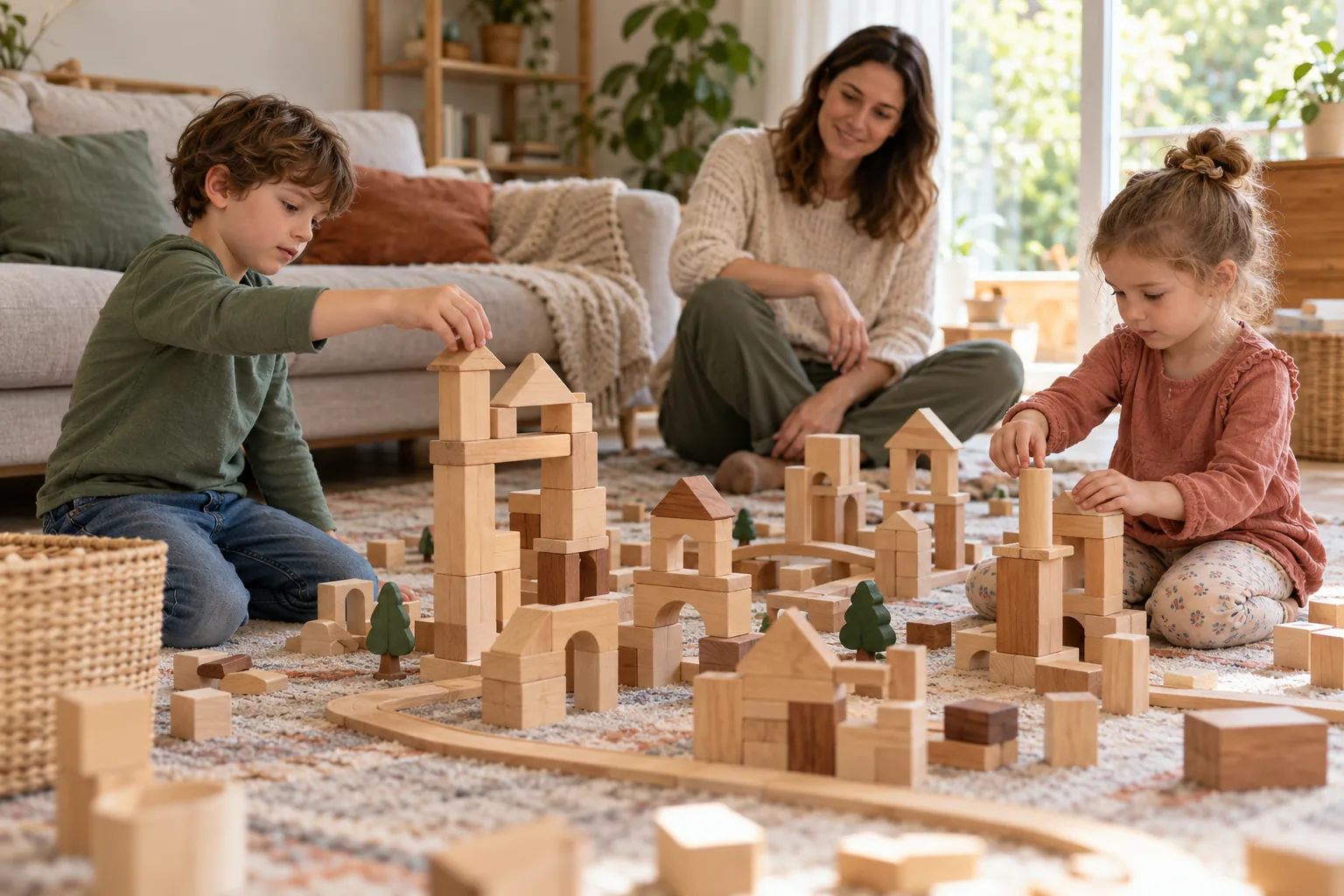
You can't end every squabble, but you can lower the temperature. Here's how to handle sibling conflict fairly and help your kids build a bond that lasts.
Tantrums aren't bad behavior — they're a small brain overwhelmed. Here's a calm 5-step way to respond, plus how to head them off before they start.
Positive discipline means firm limits with warmth — not letting everything slide. Here are the techniques that teach behavior instead of just punishing it.